
Pinehurst Resort
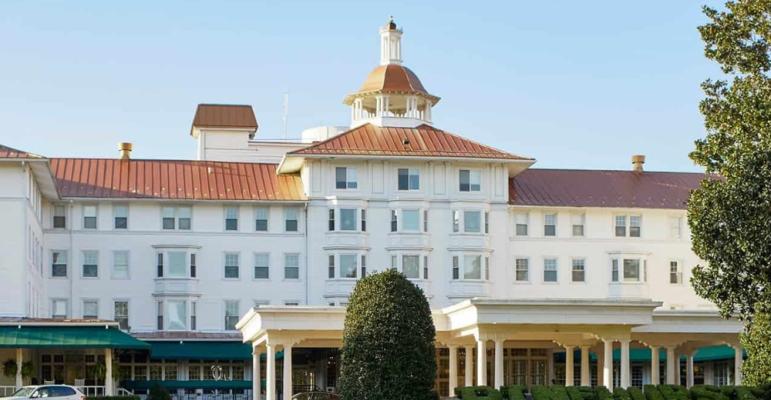
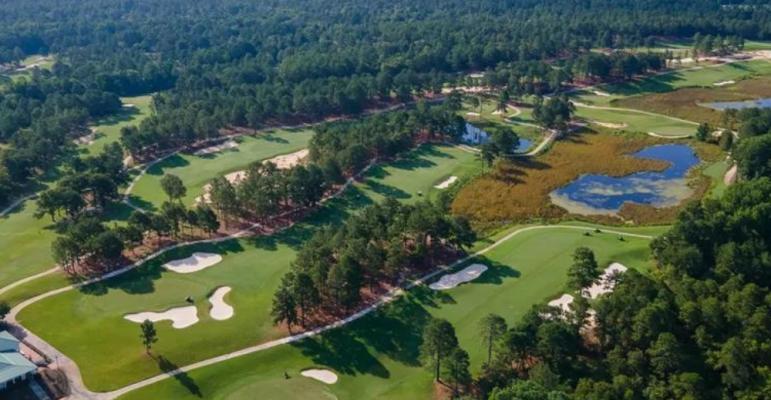
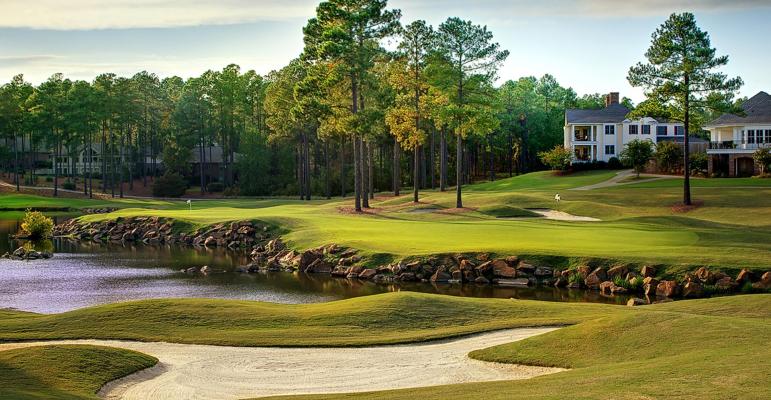
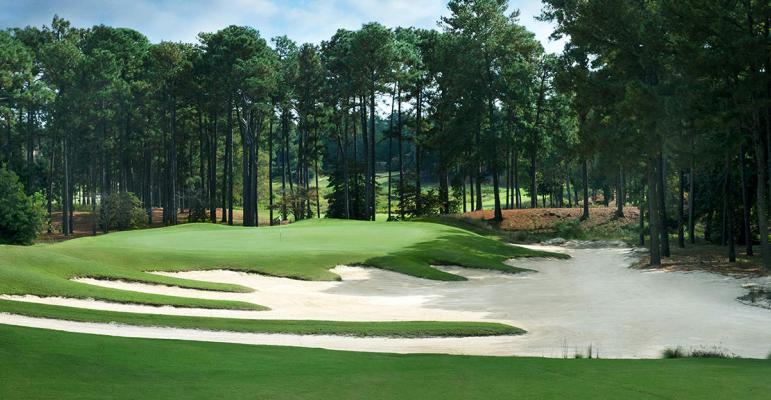
Experience the pinnacle of golfing excellence at Pinehurst Resort, nestled in the heart of Pinehurst, North Carolina. Renowned as a sanctuary for golf enthusiasts, Pinehurst Resort proudly stands as a beacon of golfing heritage in the United States.
The resort has been the prestigious venue for numerous high-profile golf tournaments including three U.S. Open Championships, one U.S. Women's Open, three U.S. Amateur Championships, one PGA Championship, and the illustrious Ryder Cup.
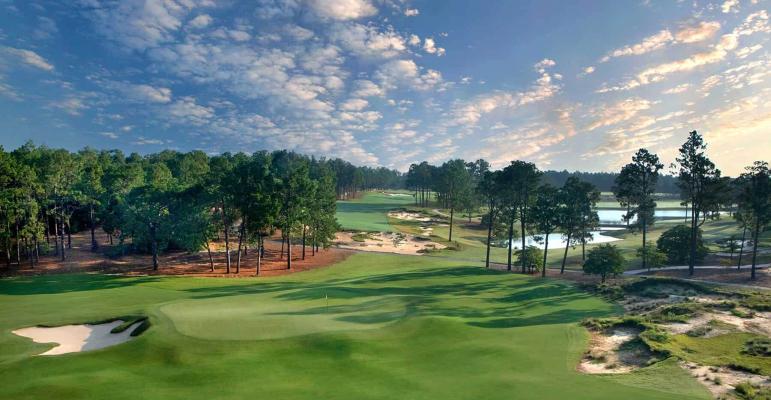
Boasting an expansive array of ten 18-hole golf courses and a charming 9-hole short course, Pinehurst offers unmatched diversity and challenge for golfers of all levels. The crown jewel, Pinehurst No. 2, is celebrated as one of North Carolina's top golf courses and consistently ranks among the best in the United States for its historic design and challenging play.
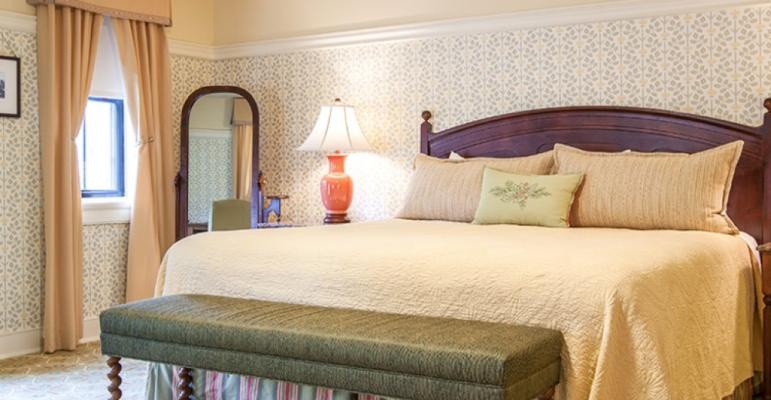
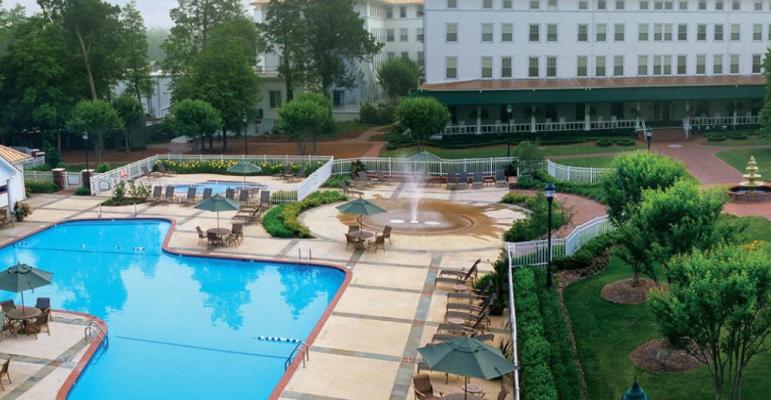
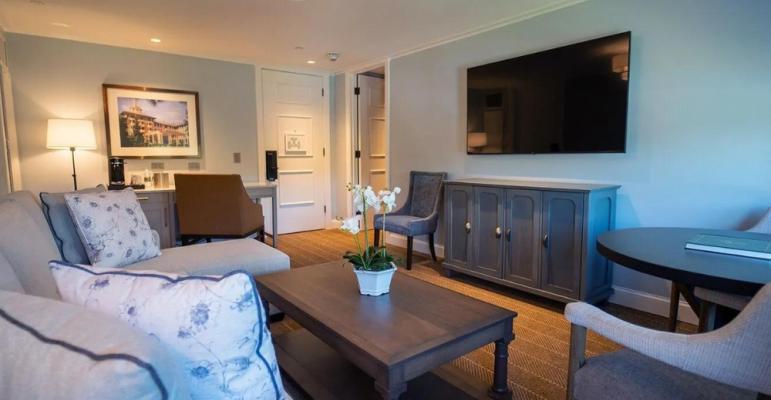
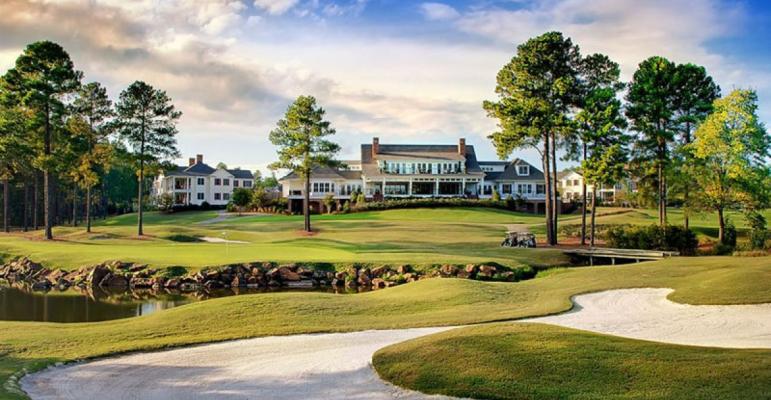
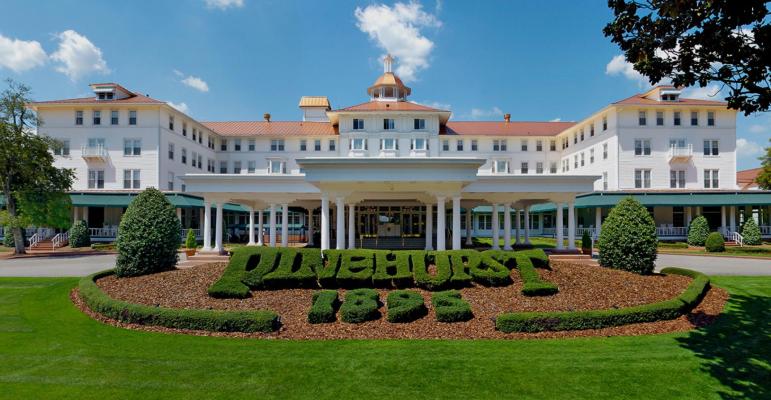
Beyond the greens, Pinehurst Resort is a haven of luxury and relaxation. Guests can choose from three opulent hotels or opt for the private comfort of the villas and condos. With a variety of dining options, from casual to fine dining and an array of leisure facilities, Pinehurst ensures a holistic experience of luxury, comfort and recreation. Since 1991, Pinehurst Resort has been a proud member of Historic Hotels of America, a testament to our commitment to preserving the rich history and grandeur of this iconic golfing destination.
Discover the legacy and luxury of Pinehurst Resort, where history is made and golfing legends are born. Join us for an unforgettable experience in the heart of North Carolina, where every visit is more than a stay—it's a journey through the heritage of American golf.
Our Recommended Courses
Pinehurst No.1
Dr. Leroy Culver built the first nine holes of what would go on to become Pinehurst Resort here before the turn of the 20th Century. John Dunn Tucker added the next nine shortly thereafter.
Then, Donald Ross added his touches, drawing on his Scottish roots to add bunkers across fairways and around the greens. The result is a course that’s a classic not just due to its age, but because of its appeal.
Pinehurst No.2
Donald Ross’s masterpiece, No. 2 at Pinehurst has served as the site of more single golf championships than any other course in America. It has also hosted back-to-back U.S. Open and U.S. Women’s Open Championships in 2014. As the U.S. Open’s anchor site, the future looks bright indeed. The championship returned in 2024 and will be coming back again in 2029, 2035, 2041 and 2047. Come walk in the footsteps of legends and play the holes that will birth a new generation of icons as well.
Pinehurst No.3
At just 5,155 yards, No. 3 is the shortest course at Pinehurst, but don’t let that modest distance fool you. The course, originally designed in 1910, was recently renovated to return many of Donald Ross’s original flourishes and characteristics. Miniscule, elevated greens that average just 4,500 sq. ft. each demand precision while challenging bunker placements add to the adventure as you try to best this par-68 course.
Pinehurst No.4
Visually stunning from tee to green, Gil Hanse created No. 4 in the timeless tradition of golf in the North Carolina Sandhills. Vast expanses of sand are exposed along the fringes of the course as well as in cross-fairway bunkers. Native wiregrass melds with the area’s rolling topography, making No. 4 one of the most breathtaking golf courses at Pinehurst. Dramatic vistas are everywhere one turns, helping to explain why this impressive course was chosen to host the 2019 U.S. Amateur just one year after it reopened in 2018 following Hanse’s redesign.
Pinehurst No.5
In 1961, Ellis Maples, who studied course design at the side of Donald Ross, adopted his mentor’s mentality of finding the course that lies in the landscape as it already exists. The result was a spectacular course we now call No. 5. Typified by the par-3 14th, known as “Cathedral Hole,” this picturesque course is among the most beautiful at Pinehurst. The signature hole's green is fronted by a pond and encircled by a stand of pines resembling a pipe organ, leading to its godly nickname.
Pinehurst No.6
PGA professional golfer Tom Fazio and his uncle George, an accomplished course designer in his own right, set out in 1975 to create a course that was located near the heart of Pinehurst, yet distinctly set apart in its style. The result was No. 6, an undulation track that rewards big, bold drives and requires more aggressive approach shots as well. In 2005, Tom returned to carve in new bunkers, soften a few angles and speed up the greens, also adding wiregrass throughout the course to anchor it aesthetically to Pinehurst even as it continues to carve out a reputation of its own.
Pinehurst No.7
Back in 1992, before he went on to dominate the world of golf, Tiger Woods claimed his only Pinehurst title to date along this dramatic course designed by Rees Jones. Unfolding over uneven terrain that dips in spots into wetlands, every hole on No. 7 will test a golfer’s skills…whether they’re a soon-to-be legend or just out for a weekend of fun.
Pinehurst No.8
To commemorate the North Carolina golf resort’s centennial, Tom Fazio again leant his talents to Pinehurst in 1996 by designing No. 8. Coalescing all of the elements that make golf at Pinehurst unmistakable into one 18-hole layout, Fazio fashioned a course that’s at once stunning and simple, and equal parts challenge and celebration.
Pinehurst No.9
Jack Nicklaus has long stated that Pinehurst’s No. 2 is his favorite course from a design standpoint, so it’s no surprise that his own masterpiece here draws influence from it. In fact, No. 9 offers meticulous design set amongst stands of longleaf pines that many believe rivals the very course that inspired it, both in terms of play quality and overall composition. The only way to truly know is to visit and play all 7,122 yards of this magnificent course for yourself.
Pinehurst No.10
No. 10 is Pinehurst’s first new course in nearly three decades, but in truth it’s been centuries, even millennia, in the making. The landscape underlying Tom Doak’s new design features native wiregrass, sweeping landscape and rolling hills formed by geology. Midway through the course, it also takes advantage of rugged dunes carved out by mining operations around the turn of the 20th Century. The result is a spectacular course with 75 feet of elevation change that winds its way through the Sandhills on a path toward delivering a golf experience like no other.
Location
North & South Carolina
Tip from the experts
Include 'The Cradle' in your visit
Transfer Times
2 hours from the airport
Must Play Golf Course
Pinehurst No. 2
Average Flight Times
9 Hours
Best Travel Period
April, May, September, October